




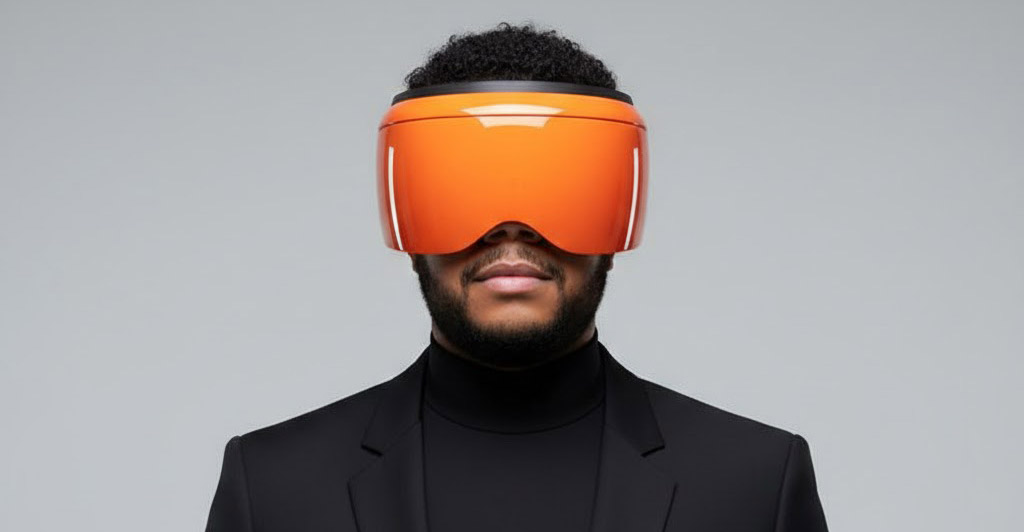

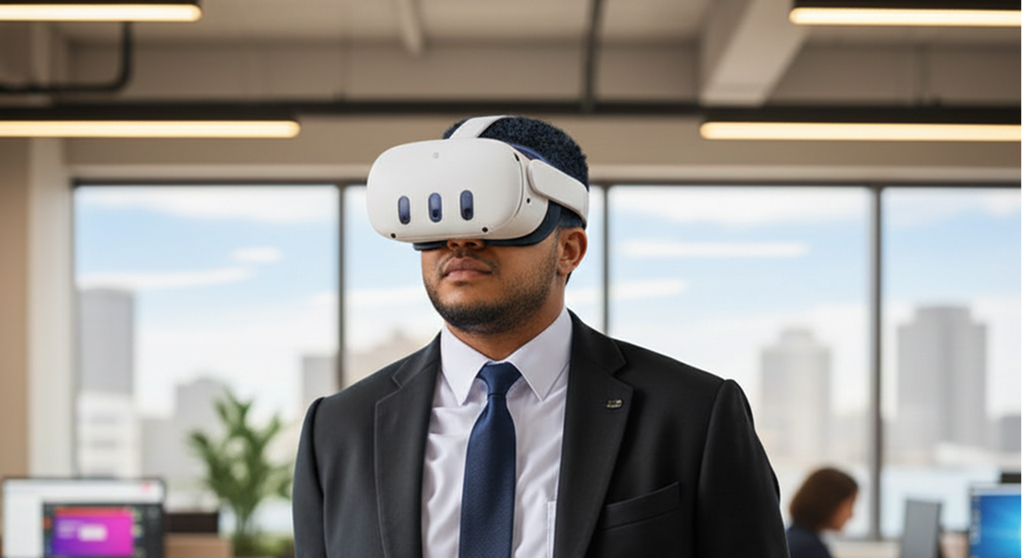

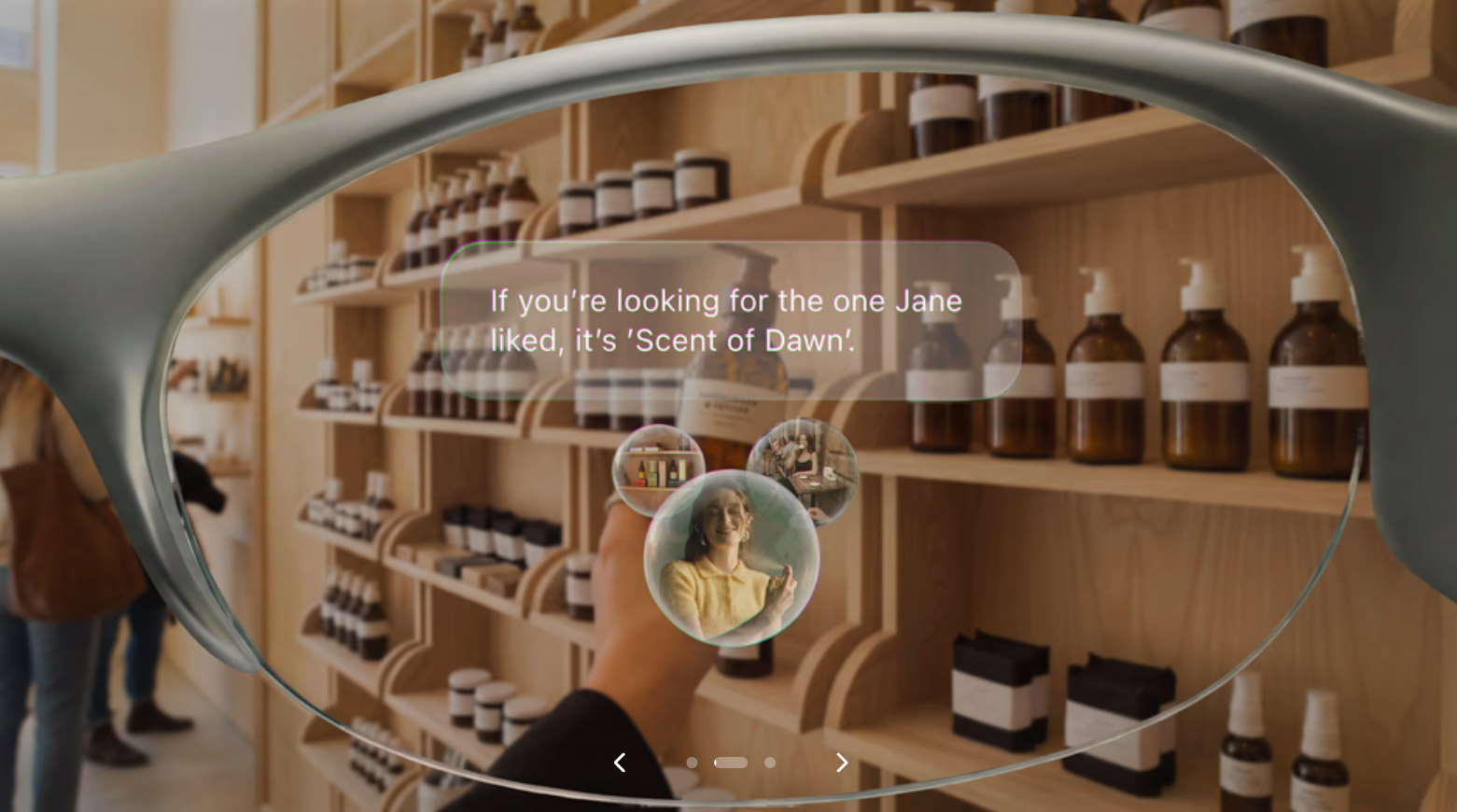


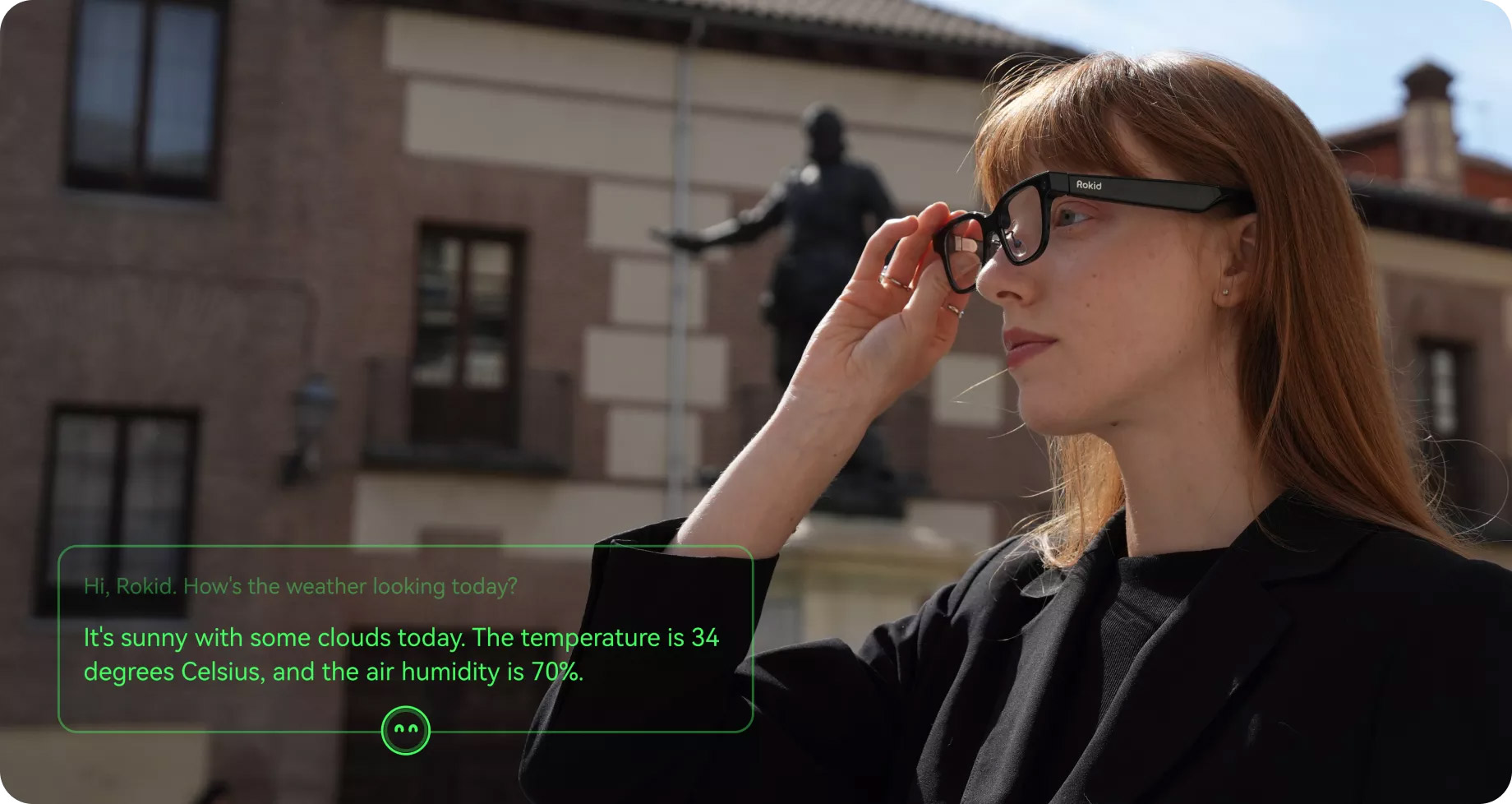
The smart glasses ecosystem is starting to see more and more solid proposals emerge, and Rokid is one of those that has caught my attention recently, especially for its obvious aesthetic similarity with the Ray-Ban Meta AI Glasses. However, beyond design, Rokid arrives with a very clear vision: to combine augmented reality and artificial intelligence for entertainment as well as for professional and industrial uses.
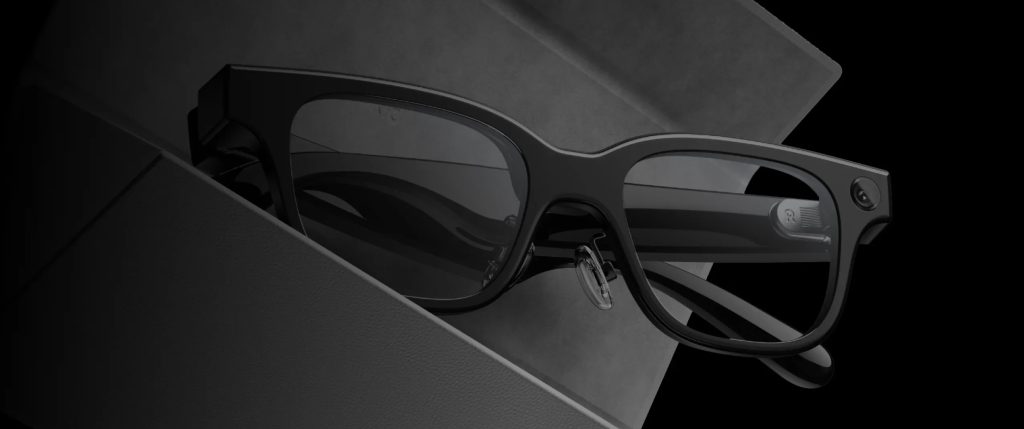
In terms of design, the Rokid glasses stand out for being light and discreet, with an approximate weight of 49 grams, The new, durable and durable, they are key for prolonged use during the day. Incorporate gesture control and voice commands, as well as real-time translation in more than 80 languages, They are a powerful tool for communication and productivity. They also allow video recording in landscape format and the integration of notifications from popular applications such as YouTube and TikTok, extending its use beyond the purely functional.
A differentiating point in comparison to the Ray-Ban Meta is the charging system: Rokid opts for a simpler case, which does not function as a charging base. Instead, the glasses are charged via external cables. This may seem like a minor detail, but from a user experience perspective, it is an aspect that could be improved in future versions.
Technical power designed for AR and AI
On the technical side, Rokid incorporates the Qualcomm Snapdragon AR1 processor, designed specifically for augmented reality experiences. This chip features four 1.9 GHz Kryo cores, Adreno GPU, to 2 GB of LPDDR4x RAM and a NPU Hexagon, which allows AI functions to be run directly on the device without constantly relying on the cloud.
The glasses integrate ChatGPT-4, This opens the door to contextual wizards, quick queries and real-time content generation. For image and video capture, Rokid utilizes a 12 MP Sony IMX681 camera, with a field of view of 109 degrees, HDR support and digital stabilization, ideal for first-person content. The audio system is completed with four microphones with wind reduction y AAC near-ear AAC loudspeakers, The new audio system offers a more private and clearer audio experience.
Intelligent teleprompter and accessibility
One of the functions that most caught my attention is its intelligent teleprompter, It is capable of displaying in real time, as subtitles, the words that are being pronounced, adjusting to the speed of the voice and the pauses. This functionality is especially useful for presentations, content creation and, above all, for the creation of hearing impaired people.

In addition, AI can convert voice commands to text, transcribe meetings, identify different speakers and generate smart summaries, This is a perfect fit for professional and collaborative workflows.
Rokid's smart glasses present a very well-balanced proposal between design, light weight and advanced AI and AR capabilities. Although there are still details to be polished in the user experience, such as the charging system, their technical and functional approach makes them an excellent choice. serious competitor in the smart glasses market, especially compared to established options such as the Ray-Ban Meta.
From a UX perspective, Rokid demonstrates that the future of smart glasses is not just about looking good, but also about integrate naturally into everyday life, improve productivity and broaden accessibility. At UX Yeah We will keep an eye on the evolution of this device, because everything indicates that Rokid still has a lot to show.