








I have been wanting to write about this topic for a long time. More and more brands such as Apple, Ray-Ban, Oakley, IKEA, LEGO or Richard Mille have been using the 3D and augmented reality as resources to enrich the user experience, especially in the context of eCommerce.
We live in an era where access to technology is increasing: more powerful devices, better cameras, advanced sensors and a generation of users much more demanding in how they consume content and digital experiences. Today, it is not enough to show a product with a simple photo; the user expects explore it, understand it and feel it before you buy.
In this context, the 3D and Augmented Reality (AR) become key allies in elevating the eCommerce experience, an area that will continue to grow strongly during 2026.
What does 3D and AR bring to the shopping experience?
The main benefit is that the user can go far beyond a simple photograph. Thanks to these technologies, it is possible:
- Display products in three-dimensional format
- Rotate them, scale them and explore them from different angles
- Better understand proportions, materials and details
- Interacting with the product in a more natural way
Tools and solutions that facilitate these experiences
Today, implementing this type of experience is no longer something exclusive to large corporations. There are accessible and scalable solutions such as:
– Open source frameworks like <model-viewer>, which allow 3D visualization and AR to be integrated directly into web and eCommerce projects.
- Companies such as Goopy Technology, which offers Web AR solutions and white-label applications for brands that want to make the leap without developing everything from scratch.
- Platforms such as Sketchfab, which provide complete 3D visualization services for eCommerce, including integration with augmented reality in a simple way.
A clear example of this is the Ray-Ban and Oakley websites, where users can try on frames directly on your face using AR, achieving a much closer experience to the physical store.
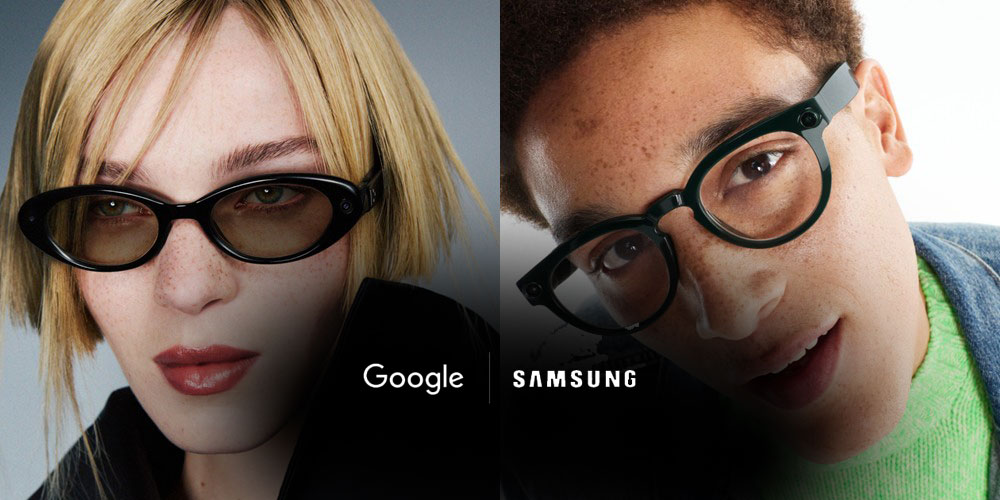
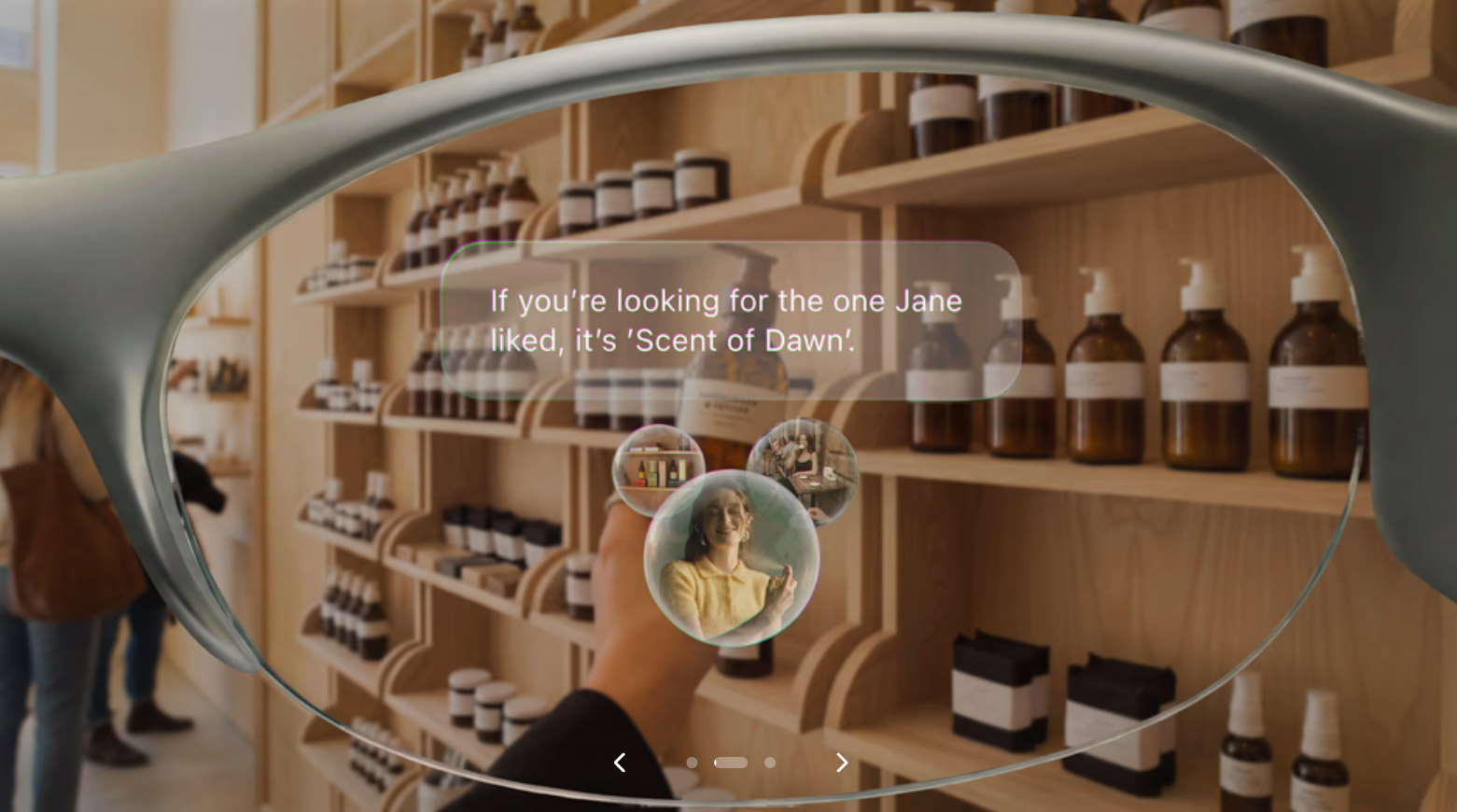
3D design, augmented reality, and the spatial design are no longer “nice to have”. They are skills that every UX Designer should begin to seriously explore. The commitment of companies like Meta to immersive experiences, along with the growth of smart glasses and devices with AR capabilities, makes it clear where we are going.
In the near future we will see more and more hybrid interfaces, where the digital blends with the physical environment and where traditional UI patterns evolve into spatial, three-dimensional and immersive experiences.
To this day, it remains an underexplored territory within the UX world, but therein lies the opportunity: understanding, experimenting and designing for the next generation of digital experiences.