





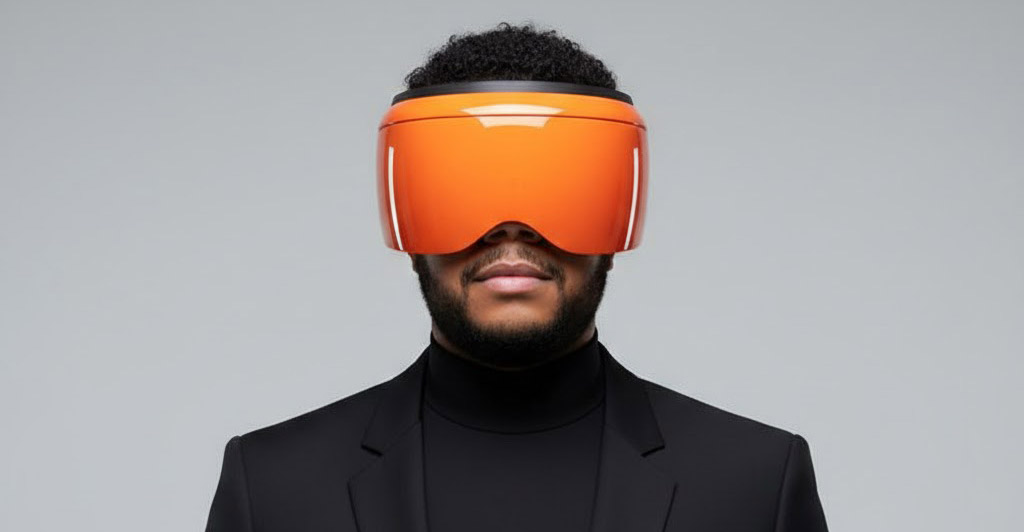

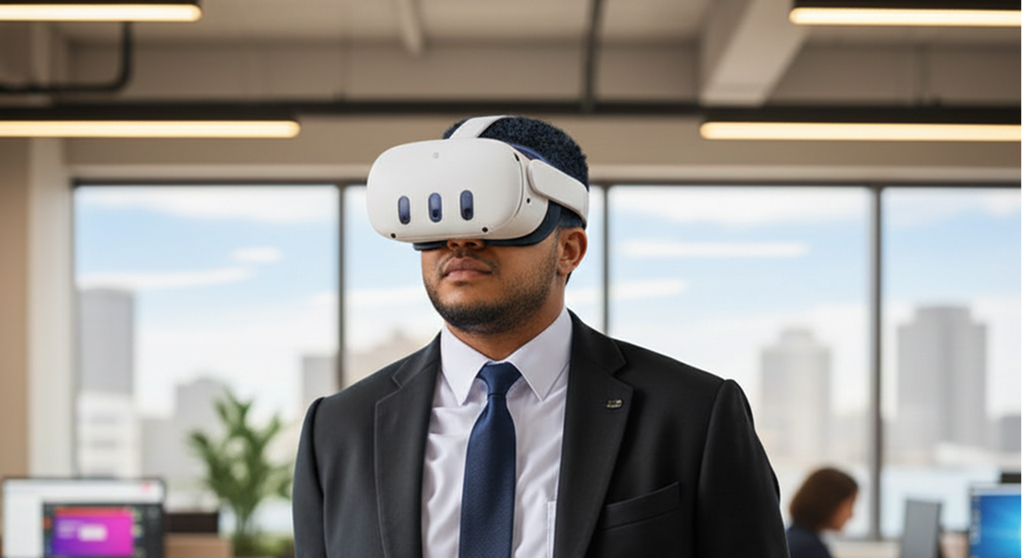

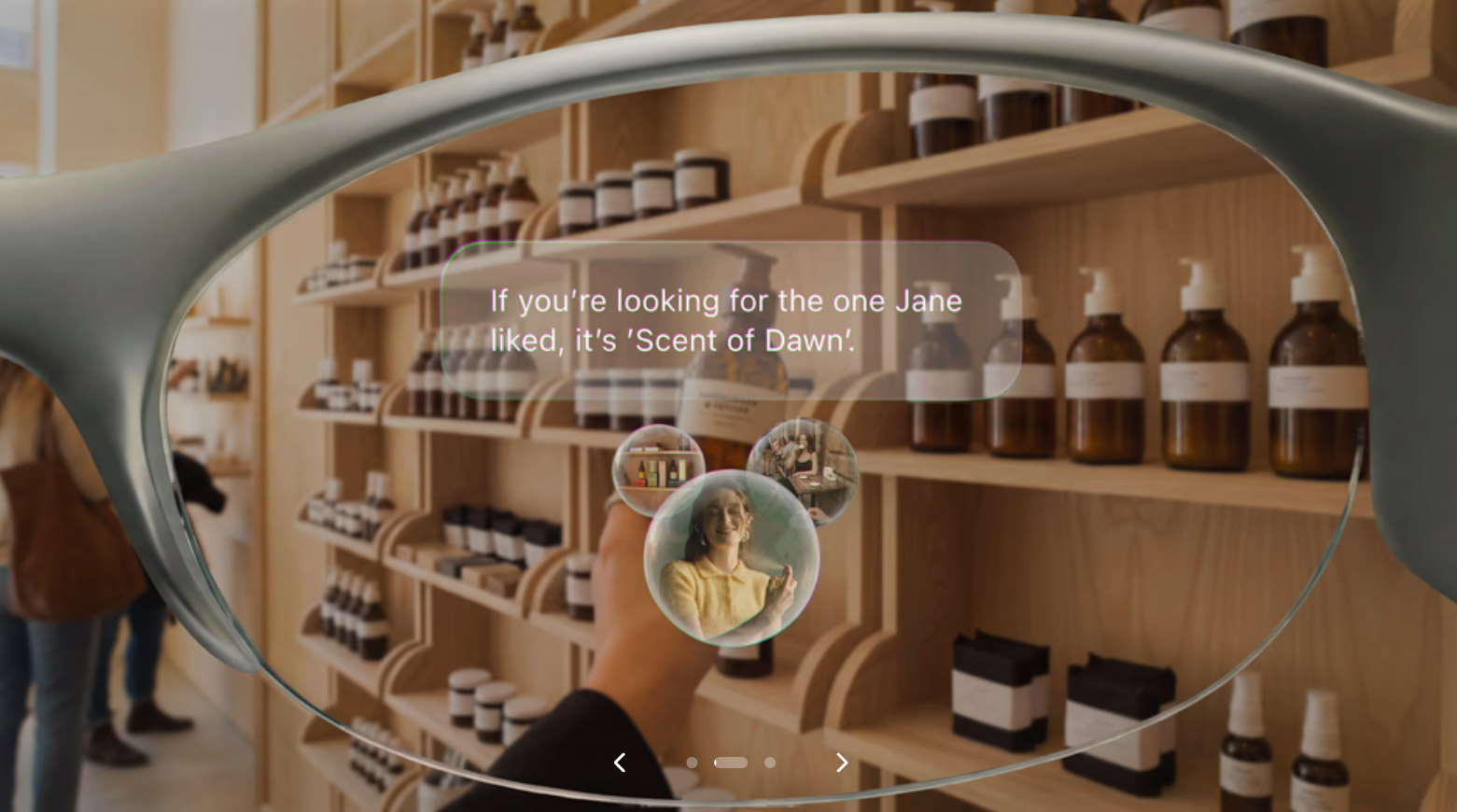


Definitively, 2026 is shaping up to be the year of smart glasses. After spending a full month using the Ray-Ban Meta Wayfarer (Gen 2) as part of my daily routine, I wanted to share a UX-focused reflection on what Meta is building—and, more importantly, where this new product category is heading. Meta, led by Mark Zuckerberg, has made it clear that its bet on wearables goes far beyond experimentation. In a market filled with futuristic concepts, bold aesthetics, and sometimes impractical designs, these glasses take a different path: seamless integration into everyday life.
Design
One of Meta's greatest achievements has been its alliance with Ray-Ban. Betting on an icon such as the Wayfarer is no accident: it is a proven, recognized and socially accepted design. From UX, this significantly reduces adoption friction. They don't feel like “a gadget,” but like glasses you could wear any day without attracting attention.
The glasses are Slight, comfortable and well balanced. The physical experience is well thought out for prolonged use. Even the charging case stands out: sleek, compact and aligned with a premium experience that invites you to wear them and take them with you.
Audio and interaction
The open-ear speakers are one of the features that most caught my attention. I had already tried them in the Meta Quest 3, but integrated in a pair of glasses, the result is surprisingly comfortable. The experience is immersive without isolating you from the environment, something key for a daily wearable. Of course, in long consumptions, for example, a 45-minute podcast, the battery drains quite quickly, an aspect to improve in the future.
Photo, Video, Ecosystem and Synchronization
The synchronization with the cell phone is stable and smooth. Everything is managed from the app Meta AI, which acts as the central hub of the ecosystem. Importing photos and videos via Wi-Fi is fast and reliable, while maintaining good overall quality.
Regarding photo and video, The performance is correct for the context of use. The daytime shots work well, although the night photographs still have room for improvement, which is to be expected and probably solvable via software in future iterations.

Meta AI
Interaction with Meta AI is, without a doubt, one of the parts of the product that caught my attention the most. From a UX point of view, it reminds me very much of the experience of Iron Man when Tony Stark interacted with his suit: natural voice commands, quick responses and a sense of control.
However, this is where one of the biggest current frictions arises. Many advanced Meta AI functionalities only available in the United States. In the Dominican Republic, for now, usage is limited to basic commands such as taking photos and videos, checking the weather or sending messages via WhatsApp. This regional limitation directly affects the overall experience and leaves a feeling of “incomplete product” outside certain markets.
The Ray-Ban Meta AI Glasses Gen 2 are, without a doubt, one of the most interesting gadgets I have tested in the last few years. From design, ergonomics and integration with the digital ecosystem, they represent a big step towards a future where technology becomes increasingly invisible and natural.
From a UX point of view, the product demonstrates that Meta understands that the key is not just in technological innovation, but in how it integrates into the user's daily life. Still, the real challenge will be democratize the experienceMeta AI: open more Meta AI features to other countries and continue to optimize battery, camera and contextual capabilities.
If Meta succeeds in closing that gap, we will not only be talking about well-designed smart glasses, but the beginning of a new main interface between humans and technology. And that, no doubt, has enormous potential.