


The new Meta VR Glasses aren't just a hardware advancement. They also represent an effort to redefine the relationship between people, artificial intelligence, and the space around them.
I’ve been using Meta products for several years now, especially the Quest 3 and the Ray-Ban Meta. That’s why the launch of the new Meta VR Glasses piqued my interest more than usual. What matters isn’t just what these glasses can do. What matters is what they reveal about the direction Meta wants to take personal computing.
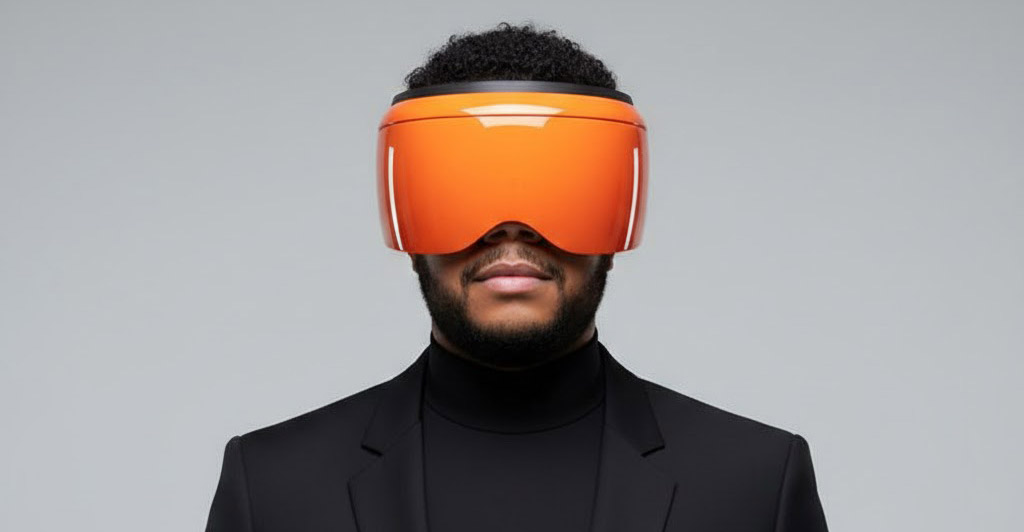
For years, virtual reality meant putting on a headset, disconnecting from your surroundings, and entering an entirely digital world. The Meta VR Glasses propose a different path: bringing virtual reality, artificial intelligence, and spatial computing to a lightweight device designed to coexist with the real world rather than replace it.
For those of us who design experiences, that shift in focus is the real headline.
From the Headset to the Spatial Interface
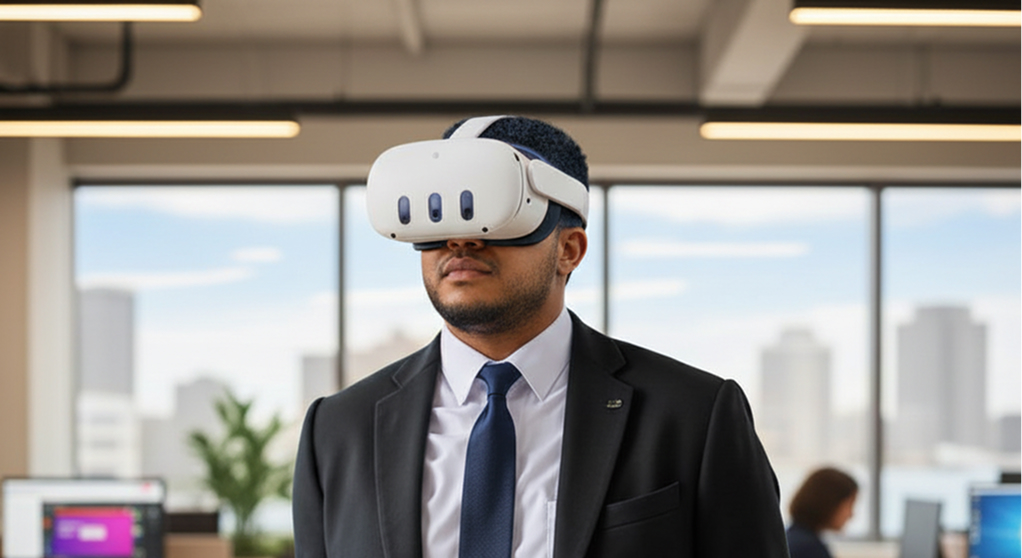
The biggest obstacle with traditional headsets has always been the device itself. The Quest 3 offers remarkable experiences, but it’s still a device you wear on your head. Its weight, bulk, and the feeling of isolation determine when, where, and for how long we’re willing to use it.
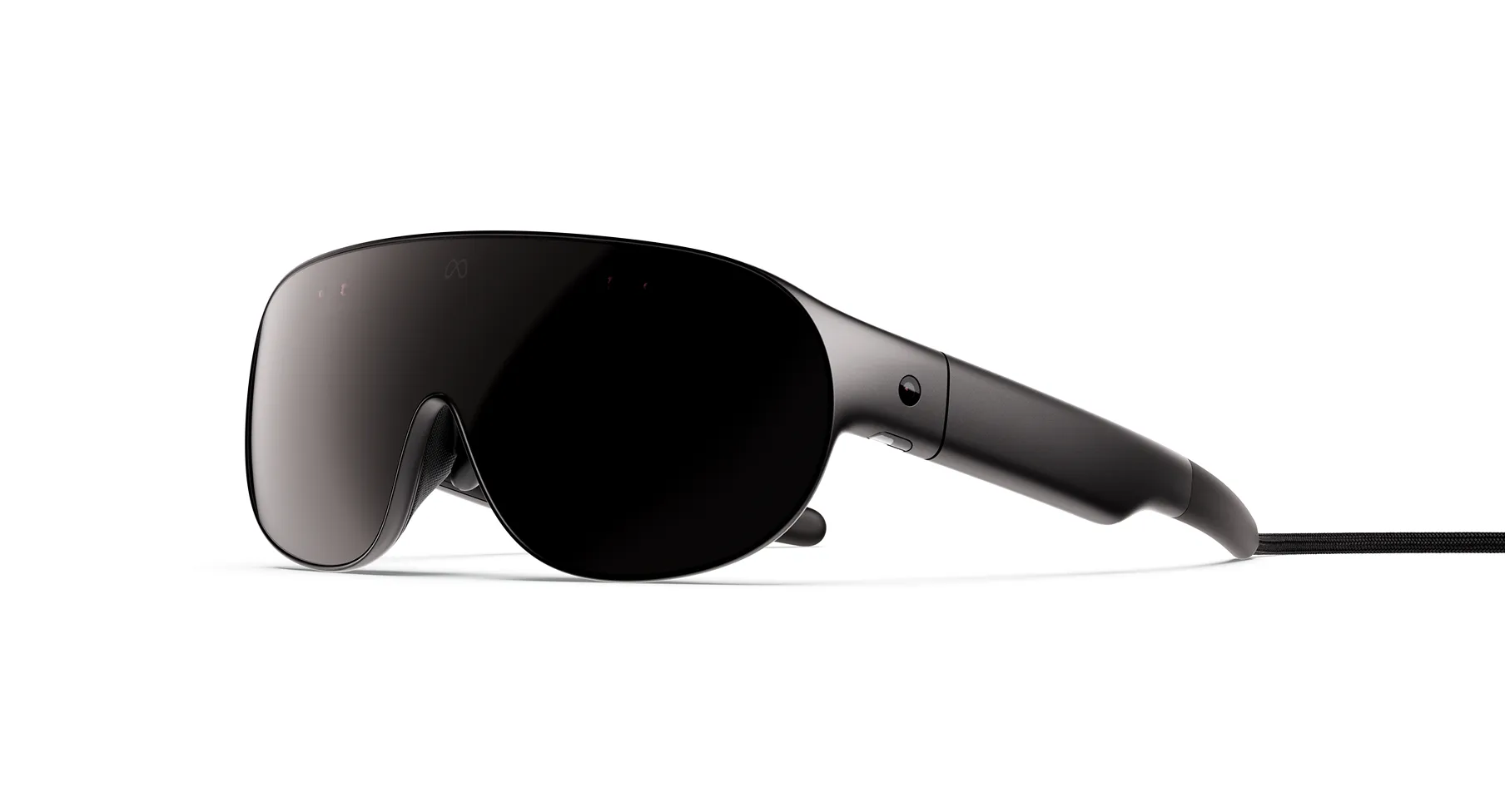
Weighing about 100 grams, the Meta VR Glasses drastically reduce that friction. But the change goes beyond the physical. The experience no longer depends on entering a virtual environment. It begins to depend on how the technology integrates into our everyday context.
Artificial Intelligence as a New Layer of Interaction
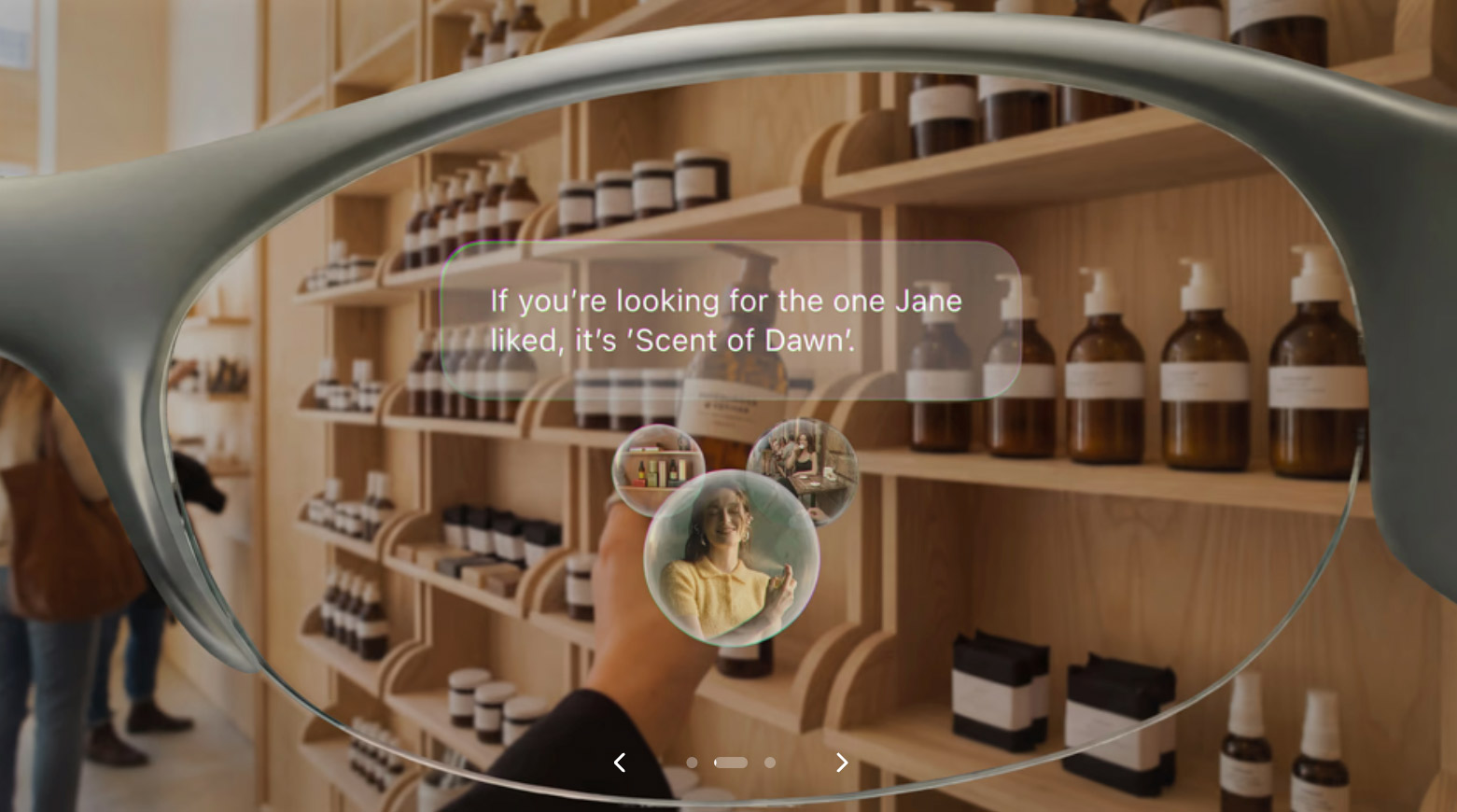
One of the most significant aspects is the integration of an AI agent into the operating system itself. Instead of navigating menus, buttons, windows, and applications, the user interacts with their voice, hands, head, and gaze.
This forces us to rethink a fundamental question: Will we continue to design interfaces that people must learn to use, or will we start designing them so that people can simply express what they want to do?
The promise is a reduced cognitive load. But it also brings new challenges: feedback, trust, misinterpretations, privacy, feature discovery, and user control. If the AI performs the wrong action, how do I understand what happened? In a space with other people, how do I know when it’s listening to me? If I select something with my gaze, how does the system distinguish between simply observing and attempting to interact? These are questions that will become increasingly important as multimodal interfaces mature.
Design Breaks Free from the Screen
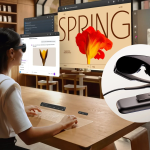
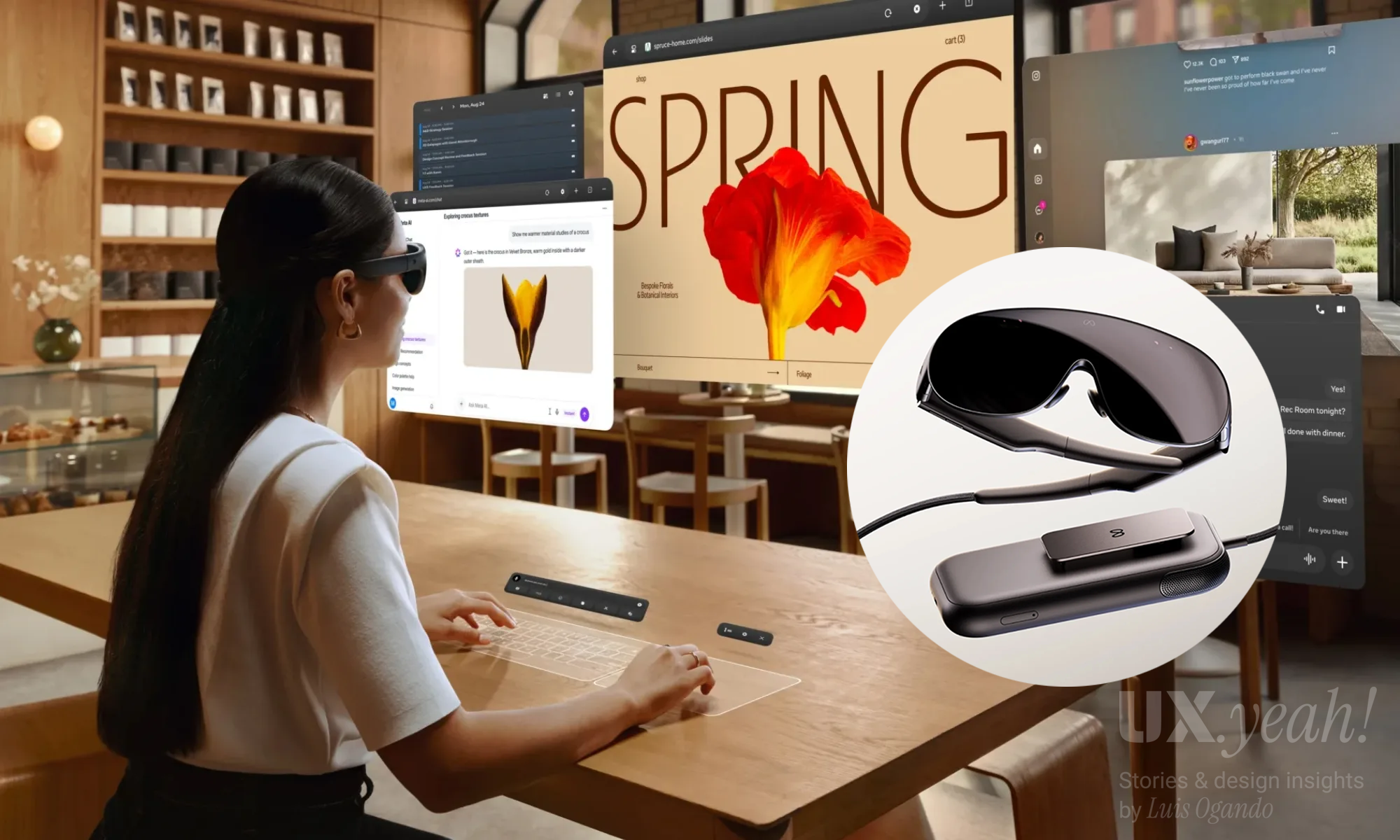
Few features illustrate this as well as the virtual keyboard that can be projected onto any surface. From a technological standpoint, it seems like an ingenious detail. From a user experience perspective, it marks a turning point: the interface is no longer confined to a screen.
A table can become a keyboard. The space in front of us can become a workspace. Any object can become an interactive element. What for years was the realm of spatial computing concepts and prototypes is now beginning to make its way into consumer products.
In other words, the designer’s canvas is no longer a screen—it’s the physical world.
Holographic Calls: Presence as an Interface
Holographic avatars aim to represent the user during a video call with a much more realistic digital version. Today, we see others as flat figures inside a rectangle. Meta proposes taking that conversation into space.
The underlying question isn’t whether the avatar looks real, but whether the interaction feels more natural. Realism, on its own, doesn’t guarantee a better experience. An avatar that’s too realistic can even be unsettling. The challenge lies in finding the right balance between representation, expressiveness, and naturalness.
Entertainment: The Pillar That Remains
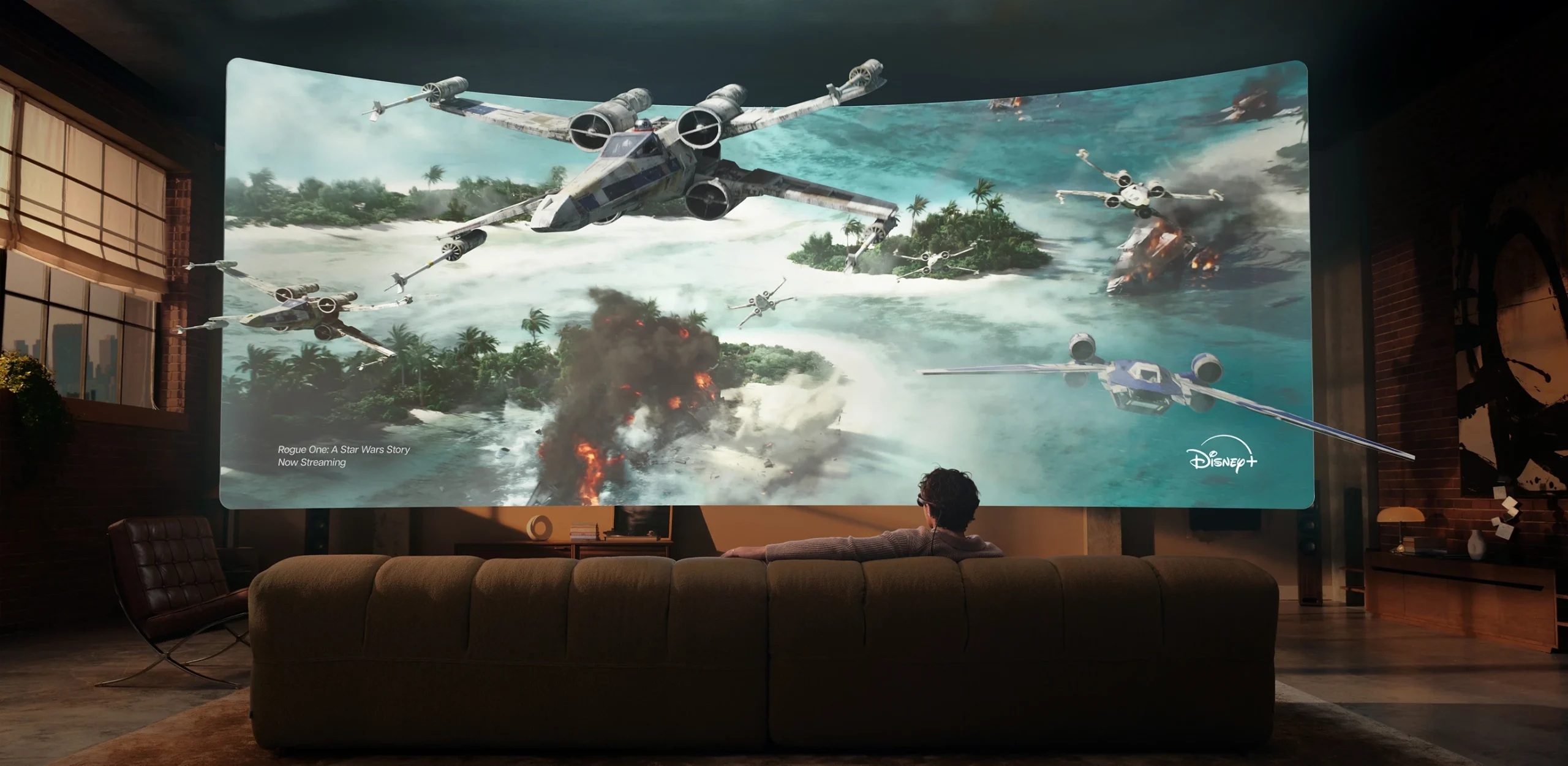
Meta is maintaining one of the cornerstones of the Quest ecosystem: entertainment. The new headset will provide access to games, immersive content, and streaming services, with support for Meta Quest and Xbox Cloud Gaming experiences.
Thus, a single device can serve as a computer, a giant monitor, a console, a communication platform, and an AI assistant. That versatility brings its own challenge: the transition between contexts. How does the system know that I’m working, or that I now want to watch a movie? How does the interface change when I’m gaming? How does it prevent all those functions from competing with one another?
A good experience isn’t measured by the number of features. It’s measured by its ability to deliver the right feature at the right time.
Hardware Is Also Part of the Experience
As designers, we often forget that hardware is part of the user experience. Weight, temperature, battery life, comfort, field of view, resolution, latency, and ergonomics are design decisions just as much as a button or an animation.
That’s why those 100 grams matter more than they seem. A device may have the best interface in the world, but if it becomes uncomfortable after thirty minutes, the experience fails. Reducing the weight can turn a pair of glasses into something you use for hours, not just once in a while. That’s the line between a tech demo and an everyday product.
An Opportunity for Design
We’re leaving behind an era dominated by the graphical interface and entering one where graphical, voice, and spatial interfaces coexist alongside artificial intelligence, gestures, and eye tracking. Many of the patterns we’re familiar with will have to evolve.
Designers will no longer just ask themselves where to place a button. They’ll also have to ask whether that button is necessary, whether the action should be activated by voice, whether a glance is enough to select something, and what kind of feedback the user needs. These are entirely new challenges.
What’s Next
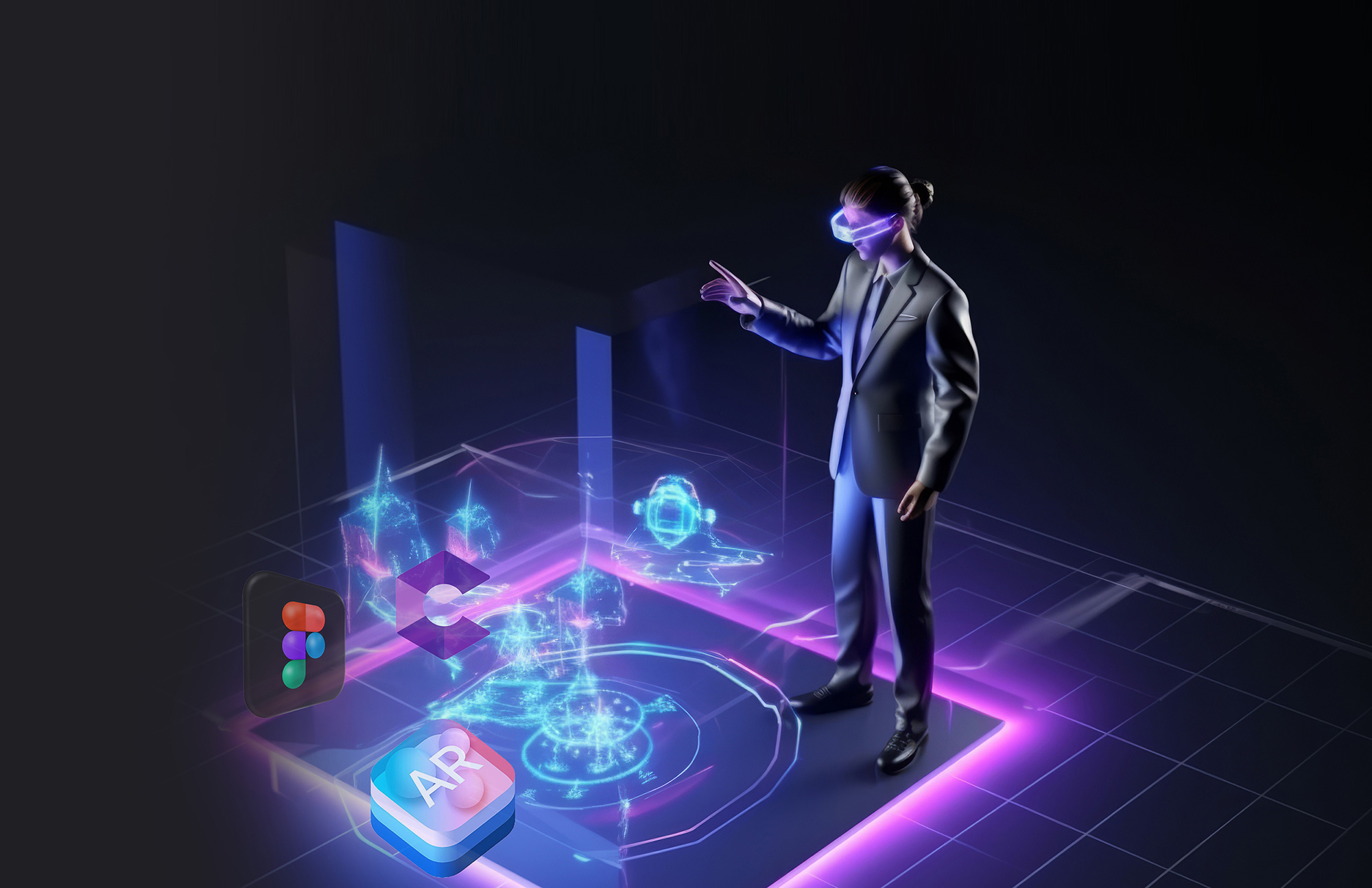
The most revealing aspect of the Meta VR Glasses isn’t their hardware, but the direction they point toward. Meta is building a new layer of computing in which the interface no longer exists within a screen but begins to coexist with our environment. The combination of AI, virtual reality, spatial computing, voice, gaze, and gestures has the potential to fundamentally transform the way we interact with technology.
The next big leap in experience design will likely not consist of creating better screens, but rather better interactions between people, artificial intelligence, and the space they inhabit.
These glasses are a step in that direction. The challenge now is to demonstrate that so much technology can be more than just a catalog of impressive features: it can be a natural, useful experience and, above all, invisible when we don’t need it.
That’s where the truly interesting part begins for those of us who design.