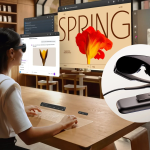
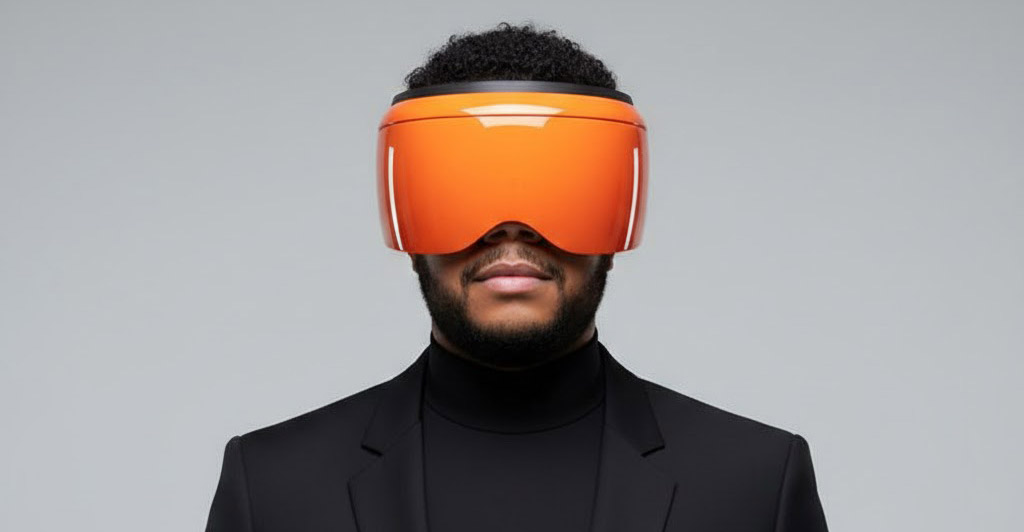

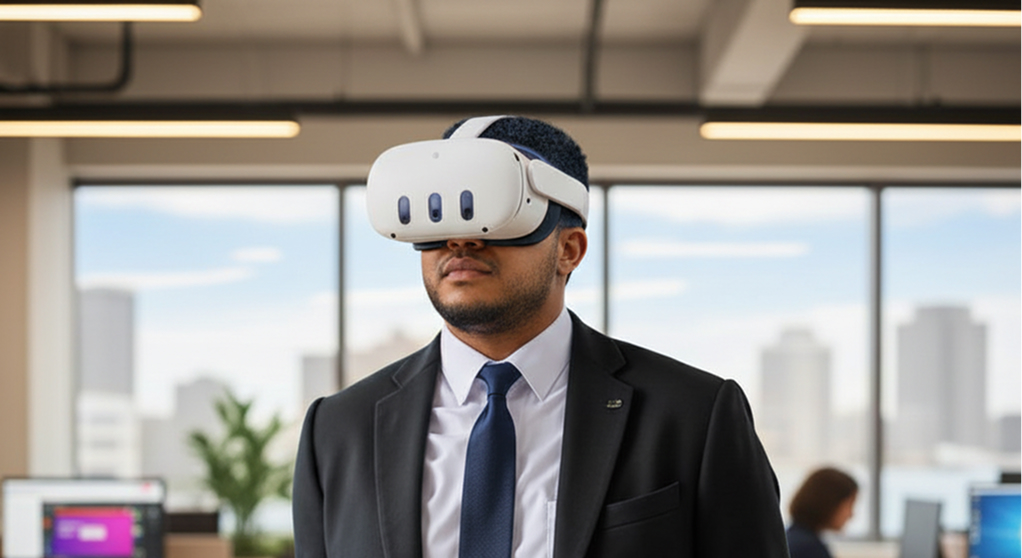



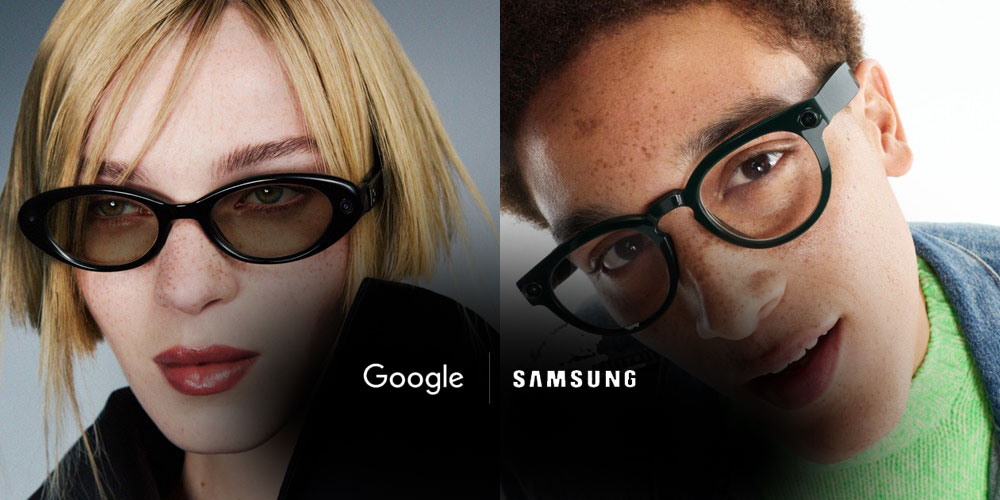
As we've mentioned in previous articles, smart glasses aren't just a passing fad; they're the future of interaction, and the tech giants know it. Google just made a big splash at its I/O 2026 conference by unveiling, for the first time, its upcoming Gemini-powered smart glasses.
This device runs on the Android XR ecosystem and is the result of an ambitious hardware partnership with Samsung. But Google hasn't neglected style: the design is the work of eyewear giants like Gentle Monster and Warby Parker. This strategy inevitably reminds us of Meta's successful partnership with Ray-Ban and Oakley.
Unlike other augmented reality concepts, Google defines them as “audio glasses,” since they do not include a built-in display. The magic of the user experience (UX) centers on voice: most interactions with Gemini are carried out using audio commands and natural language.
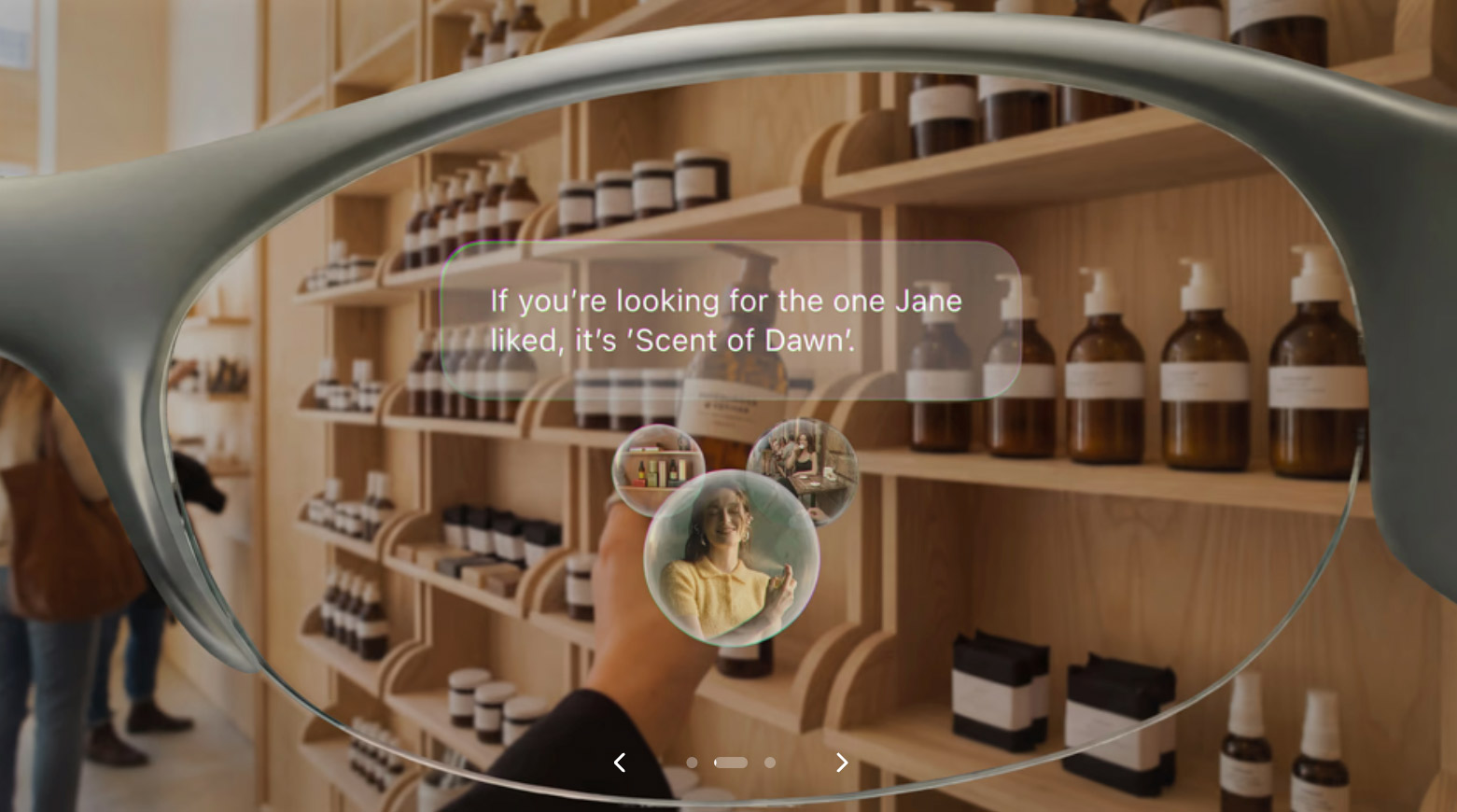
To interact with its surroundings, the exoskeleton is equipped with two front-facing cameras that capture images and process the context. Thanks to this, Gemini can “see” the same things you do. An example? You can look at the front of a restaurant and ask the AI directly what the reviews are like or ask for directions to the entrance.
Navigation is one of the cornerstones of this wearable. Forget about looking at maps on your phone: you’ll receive step-by-step directions through a seamless conversation. Plus, it promises seamless management of calls, messaging, and audio summaries on the go.
What really blows your mind about this device is its integration as an autonomous agent. Thanks to Gemini's advanced capabilities, you'll be able to activate the glasses and ask them to handle complex everyday tasks, such as doing the grocery shopping or ordering food for delivery. All you'll have to do is listen for the confirmation and approve the transaction.
The software ecosystem is also going strong:
– Real-time translation: Ideal for travel or multicultural settings.
– Third-party integration: Direct compatibility from day one with apps like Uber, allowing you to request a ride with a voice command.
– Universal compatibility: Although they run on Android XR, Google has confirmed that they will work seamlessly with iOS / iPhone.
What Can We Expect from the Era of Intelligent Eyewear?
The introduction of this concept promises to be a game-changer for day-to-day assistance, shifting the interface from the mobile screen directly to our senses.
This year promises to be a pivotal one for the adoption of these technologies, and, of course, here at uxyeah.com, we’ll be keeping a close eye on developments to analyze how the user experience evolves in these new environments. Stay tuned for upcoming updates!