
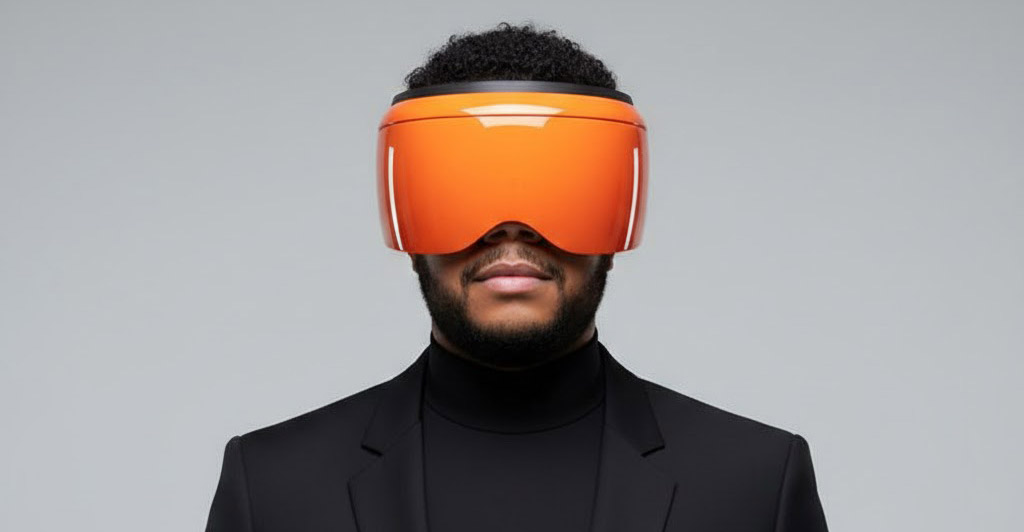

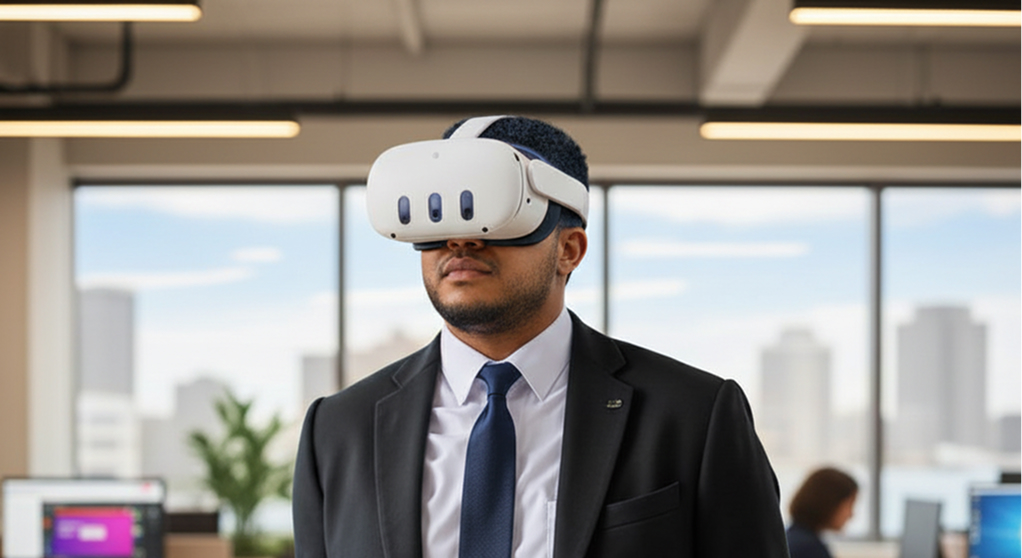

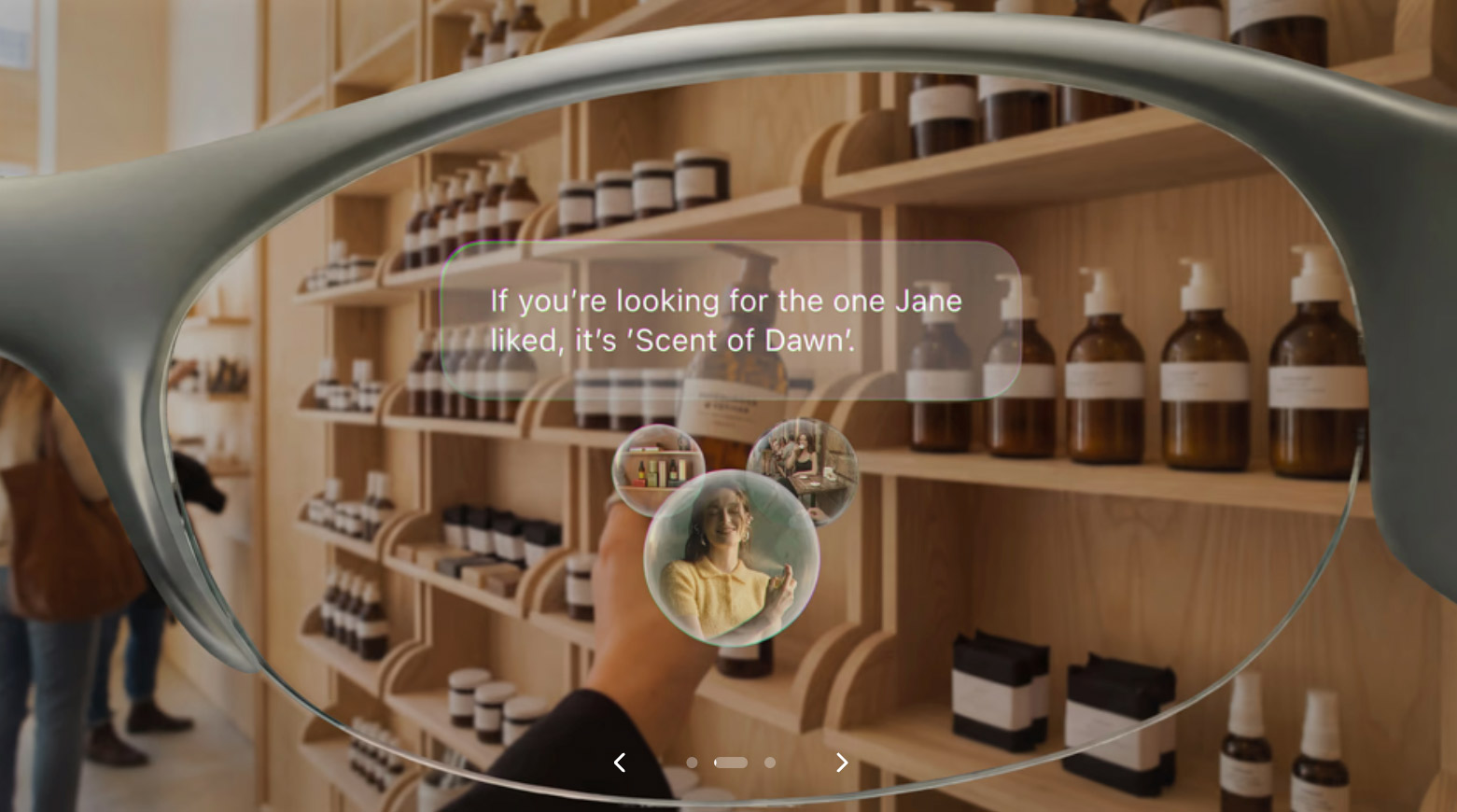


Without a doubt, 2026 is the year of smart glasses. Over the past month, I’ve been using the Ray-Ban Meta Wayfarer (Gen 2) as part of my daily routine, and from a UX perspective, it’s been very interesting to observe how Meta, led by Mark Zuckerberg, continues to clearly prioritize wearables—especially smart glasses—in a market that’s becoming increasingly diverse in design, form, and concept.
Design
One of Meta’s greatest successes has been its partnership with Ray-Ban. Choosing an icon like the Wayfarer is no coincidence: it’s a proven, recognized, and socially accepted design. From a UX perspective, this significantly reduces adoption friction. They don’t feel like “a gadget,” but rather like a pair of glasses you could wear any day without drawing attention to yourself.
The glasses are lightweight, comfortable, and well-balanced. The physical design is well thought out for extended use. Even the charging case stands out: sleek, compact, and in line with a premium experience that makes you want to wear them and take them with you.
Audio and Interaction
The open-ear speakers are one of the features that caught my attention the most. I’d already tried them on the Meta Quest 3, but when integrated into a headset, the result is surprisingly comfortable. The experience is immersive without cutting you off from your surroundings, which is key for an everyday wearable. That said, during extended use—for example, a 45-minute podcast—the battery drains pretty quickly, an area that could use improvement in the future.
Photos, Videos, Ecosystem, and Synchronization
Syncing with your phone is stable and seamless. Everything is managed through the Meta AI app, which serves as the central hub of the ecosystem. Importing photos and videos via Wi-Fi is fast and reliable, maintaining good overall quality.
As for photos and videos, the performance is adequate for its intended use. Daytime shots turn out well, although nighttime photos still have room for improvement—which is to be expected and can likely be addressed via software in future updates.

Meta AI
Interacting with Meta AI is, without a doubt, one of the aspects of the product that caught my attention the most. From a UX perspective, it reminds me a lot of Iron Man’s experience when Tony Stark interacted with his suit: natural voice commands, quick responses, and a sense of control.
However, this is where one of the biggest current sticking points arises. Many of Meta AI’s advanced features are only available in the United States. In the Dominican Republic, for now, use is limited to basic commands such as taking photos and videos, checking the weather, or sending messages on WhatsApp. This regional limitation directly affects the overall experience and leaves a sense of an “incomplete product” outside certain markets.
The Ray-Ban Meta AI Glasses Gen 2 are, without a doubt, one of the most interesting gadgets I've tried in recent years. From their design and ergonomics to their integration with the digital ecosystem, they represent a major step toward a future where technology becomes increasingly invisible and natural.
From a UX perspective, the product demonstrates that Meta understands that the key lies not only in technological innovation, but also in how it integrates into users’ daily lives. Still, the real challenge will be to democratize the experience: making more Meta AI features available in other countries and continuing to optimize battery life, camera performance, and contextual capabilities.
If Meta manages to bridge that gap, we won’t just be talking about well-designed smart glasses, but about the dawn of a new primary interface between humans and technology. And that, without a doubt, has enormous potential.